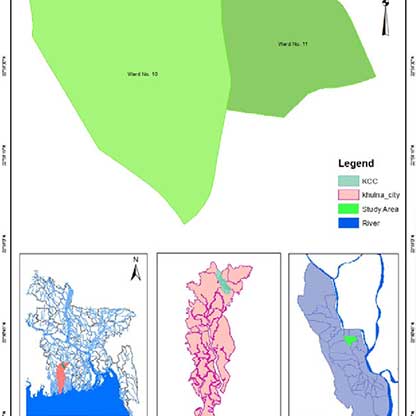
WaterAid Bangladesh has already demonstrated a successful model of Decentralized wastewater treatment system (DWTS), and now it is time to create a value addition from it. Recently a pilot work has been demonstrated on Managed Aquifer Recharge (MAR) from the treated domestic wastewater from the DWTS; a designed sand filter filters the treated water from DWTS, and the filtered water is being recharged in an aquifer for eight months. The amount of recharged water is 140.887 m³ until June 2019. From the start of the recharge, the electrical conductivity, water level, and recharge amount are being recorded periodically, and the microbiological test is also carried out at the laboratory. The final result shows gradual improvement of the treated water after passing through the sand filter tank. The value of wastewater quality parameters such as Fecal Coliform, Total Coliform, Electrical conductivity(EC) is improving. The major cations including Calcium, Magnesium, Sodium, and Potassium; major anions such as Bi-carbonate, Chloride, Sulfate, Nitrate and Phosphate, Fluoride, and minor constituents such as Iron, Manganese were also found to be gradually declining, and there is no adverse impact in the surrounding drinking well. This paper aims to examine and discuss the potential use of treated domestic wastewater for managed aquifer recharge and homestead irrigation.